

Buying a new smartphone is always accompanied by the exact same question: „How to protect the screen?“. Repairing a broken display today can cost a lot, so prevention is a must.
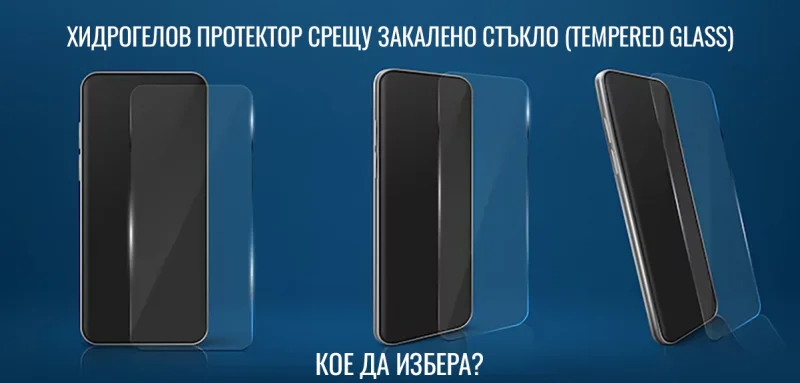
The two most popular solutions on the market right now are classic tempered glass (Tempered Glass) and the modern hydrogel protector. But which one is better? In this article, we will look at the pros and cons of each technology to help you make the right choice for your device.
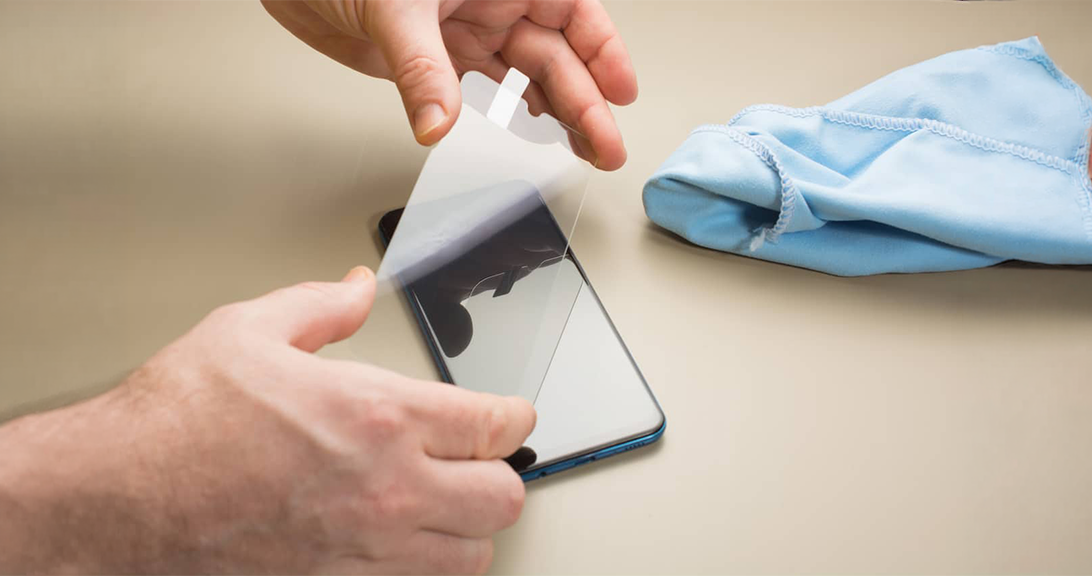
Tempered Glass: The Classic Shield
Tempered glass is the most familiar type of protection. It represents an additional thin layer of processed glass placed directly onto the original display.
Advantages:
- Maximum impact protection: The main function of the glass is to absorb kinetic energy during a fall – it breaks so that the screen underneath survives.
- Natural feel: Since it is made of glass, your finger slides over it in the same way as on the phone's display itself.
- Scratch resistance: Tempered glass is extremely hard (often rated 9H) and is difficult to scratch with keys or coins in your pocket.
Disadvantages:
- Fragility around the edges: Even a light impact on the corner can crack the protector, requiring frequent replacement.
- Problem with curved screens: On smartphones with curved edges (Edge displays), glass protectors often do not adhere well, leave gaps, or peel off quickly.
- Adds thickness: Glass is thicker and can sometimes interfere with fitting thicker silicone cases.
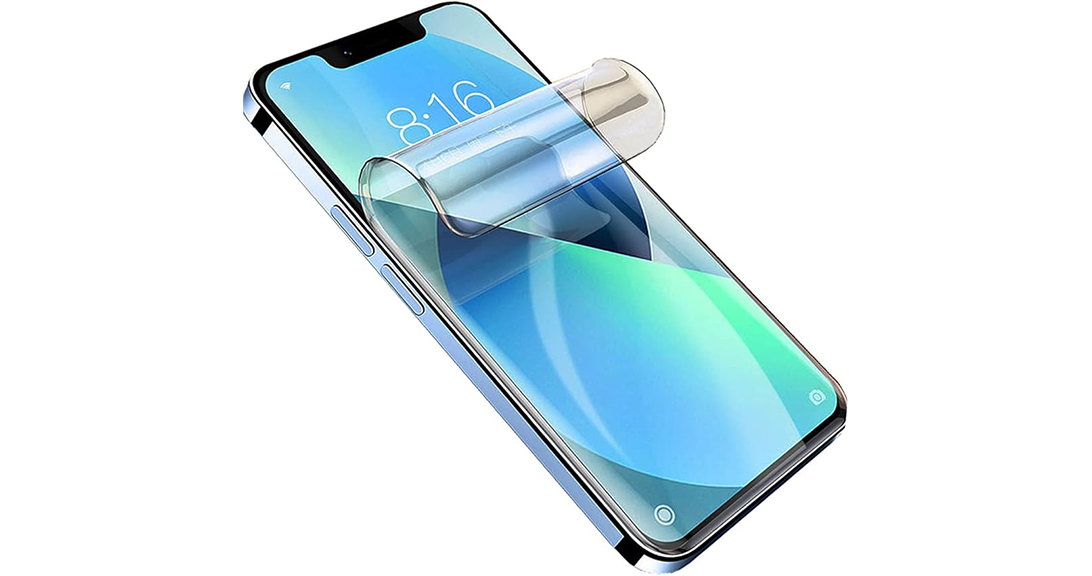
MProtect: The Next-Generation Invisible Armor
While until a few years ago hydrogel protected mainly against scratches, today the evolution of polymers has created a true phenomenon. Our pride is our exclusive MProtect protection – of a whole new generation.
It is cut on a special machine precisely for your phone, tablet, or smartwatch model – down to the millimeter.
Advantages:
- Up to 100 times stronger than glass: This is the biggest advantage of MProtect. Thanks to its innovative structure, it absorbs and dissipates kinetic energy during a heavy impact much more effectively than any tempered glass.
- Never breaks: Unlike glass, which cracks at the first drop, MProtect cannot shatter. You buy it once and use it for a long time, forgetting about unsightly cracked edges.
- Self-healing properties (Self-healing): Fine scratches from fingernails or keys literally disappear on their own after 24-48 hours, thanks to the material's elastic memory.
- Perfect for curved screens: MProtect wraps tightly around the display from edge to edge without peeling off at the corners.
- Almost invisible: It is so thin that it does not disrupt the design of the phone and does not interfere with the operation of under-display fingerprint sensors.
Disadvantages:
- A different feel in the first few days: The surface feels slightly softer to the touch compared to hard glass, but users get used to this feeling extremely quickly.
Final Verdict: Which One Is for You?
If you work in a harsh environment (construction, auto repair shop), actively play sports, or simply have a habit of frequently dropping your phone on hard surfaces such as asphalt or tiles – choose tempered glass. It will take the impact instead of your display.
However, if you are looking for uncompromising protection that you buy once, want your phone to look flawless (without chipped corners), and to be protected against the most extreme impacts, the answer is clear: MProtect. It combines the elegance of a thin protector with the brutal strength of armor.