

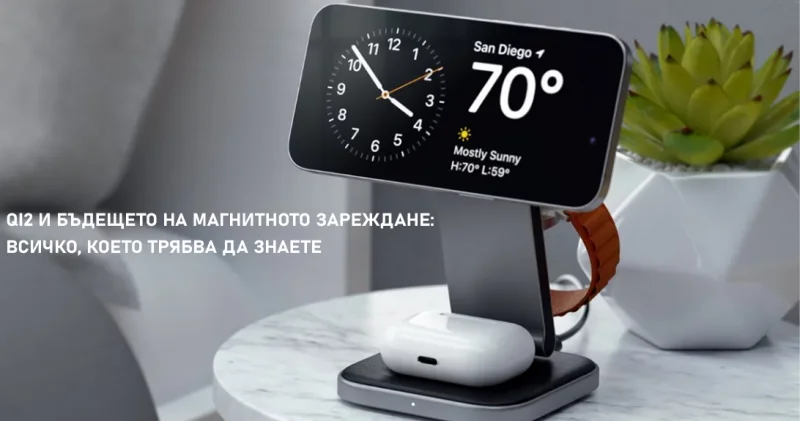
The revolutionary Qi2 standard, developed by Wireless Power Consortium (Wireless Power Consortium), marks a true breakthrough in the evolution of wireless charging technologies.
It introduces a standardized magnetic alignment system that not only solves the persistent problem of inaccurate device positioning, but also finally brings order to the previously fragmented market of magnetic chargers. In 2026, Qi2 is firmly among the hottest topics in the GSM industry. However, what lies behind this immense market interest? Let's examine the technological and business changes brought by the Qi2 standard and how it will shape the future of this product category.
Qi2 Technology: What is it and why is the entire GSM industry talking about it?
Qi2 builds directly upon the foundations laid by Apple's popular MagSafe system. The major difference, however, is that unlike the brand's closed ecosystem, Qi2 is emerging as an open standard for wireless charging. This means that the convenience of magnetic attachment is no longer exclusive only to Apple devices, but is transforming into a global framework for the entire industry.
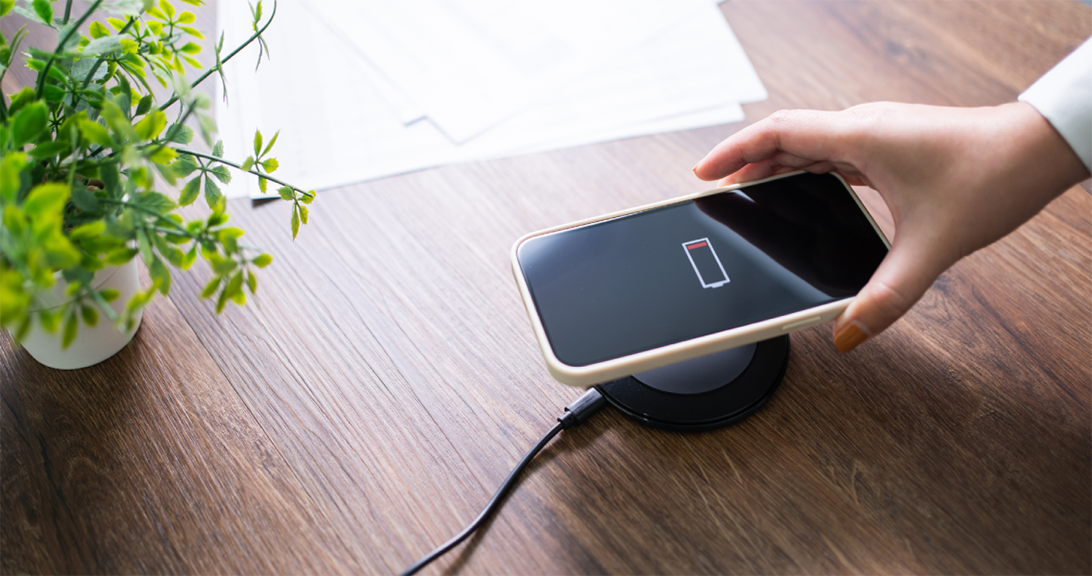
The key advancement lies in the precise alignment of the coils via a magnetic ring. With traditional inductive charging, improper phone placement often led to a drop in efficiency and slower charging. Qi2 completely eliminates this problem, ensuring a stable and maximally efficient energy flow.
Furthermore, the new standard introduces an official specification for magnetic accessories. Thus, any charger compatible with Qi2 guarantees a predictable charging speed and fully safe operating parameters.
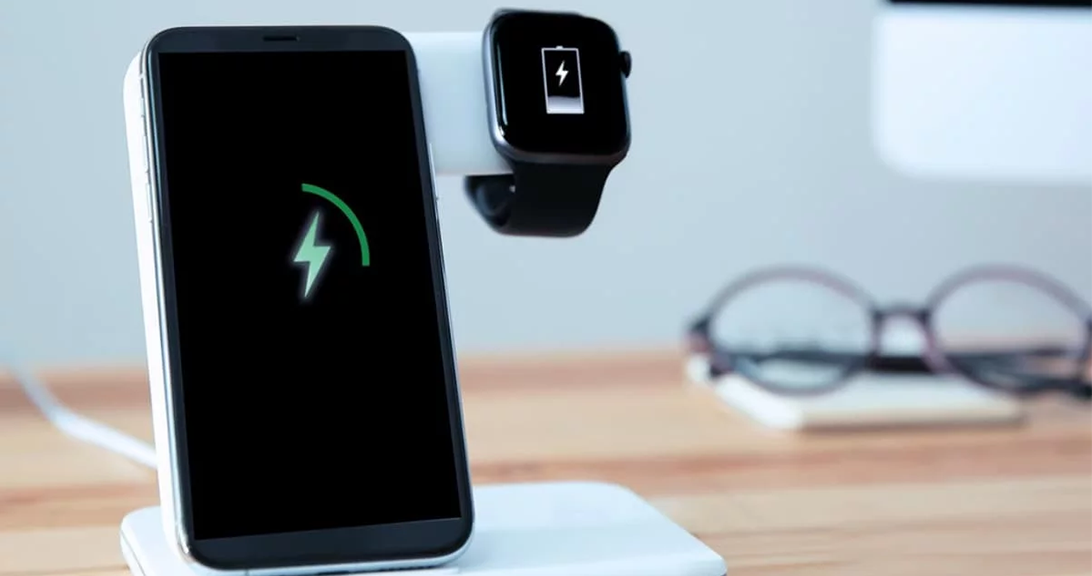
Qi2 vs MagSafe: Compatibility and Real Technological Differences
MagSafe was the first widely recognized magnetic charging system, and compatibility with it remains a key factor for Apple users when choosing accessories.
It is important to note that Qi2 does not replace MagSafe, but rather expands its concept into a much larger ecosystem. Thanks to this, a magnetic wireless charger can now serve both Apple devices and smartphones from other brands that support the new specification.
The Qi2 standard delivers 15W power (with this maximum being available in a stable mode for many models), without loss of efficiency from poor coil positioning. The result is significantly faster wireless charging compared to older Qi solutions.
Safety and Certification in the Qi2 Standard
One of the main pillars of Qi2 is battery safety. The new standard strictly defines the requirements for temperature control, energy stability, and the operating parameters of magnetic attachment.
Certifications such as Qi2 and CE are a guarantee of compliance with safety standards. A modern charger designed according to these specifications mandatorily includes overheating protection, overvoltage protection, and a foreign object detection (FOD) system. Thus, the process remains stable, and the risk of excessive heating is minimized to the maximum extent.
The precise centering of the smartphone over the coil leads to higher energy efficiency and fewer power losses. This ensures not only efficient, but also stable wireless charging even during prolonged use.
The Future of Wireless Charging Standards
Although Qi2 provides flawless charging for the Apple ecosystem, its greatest strength lies in its universality. This is the new global standard that brings order to the market and introduces common guidelines for smartphone and accessory manufacturers.