



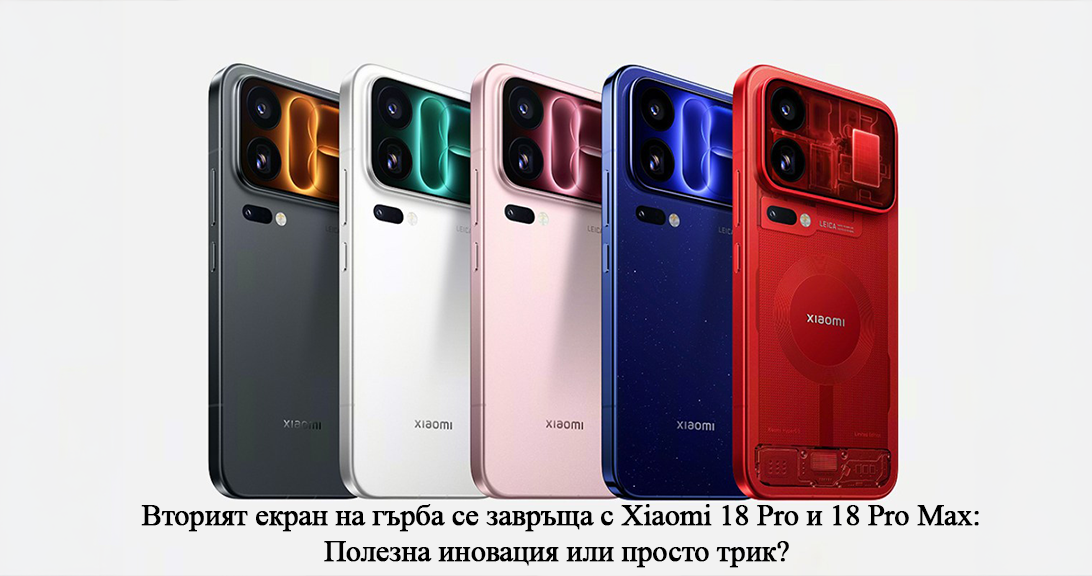
In an era where smartphones look more and more alike, Xiaomi decided to break the status quo. With the global launch of Xiaomi 18 Pro nomination and Xiaomi 18 Pro Max in November 2026, the company officially brought back one of its boldest hardware ideas – a full-fledged second display on the back of the phone, integrated around the camera module.
Unlike the experimental small windows of the past, the new Back Display is bright, smooth, and ambitious. However, the question intriguing the tech community and users remains: is this truly a practical innovation for everyday life, or just a flashy marketing gimmick?
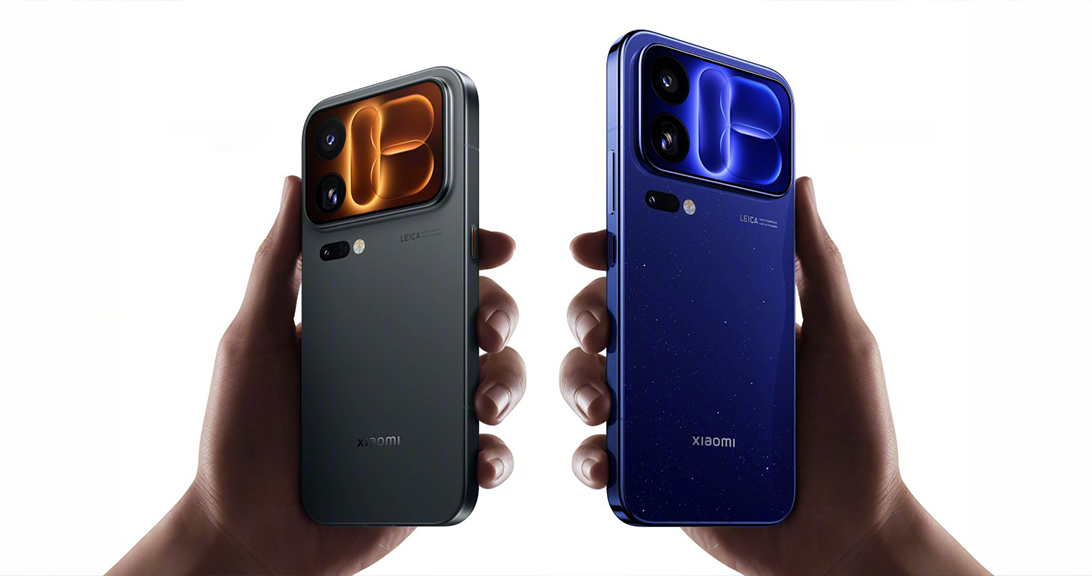
What is the new rear display?
Both flagships rely on high-quality LTPO AMOLED panels on the back that are in no way inferior to the main screens. On the Xiaomi 18 Pro Max, the rear screen has a diagonal of 2.9 inches, a refresh rate of 1–120 Hz, and peak brightness of up to 4000 nits, protected by Corning Gorilla Glass Victus 2. The more compact Xiaomi 18 Pro offers a 2.7-inch LTPO AMOLED panel with the same protection.
The arguments „FOR“: Where does the second screen shine as a real innovation?
The first real tests of both models show that Xiaomi took a pragmatic approach – the company didn't try to cram an Android interface into a small screen, but instead focused on specific scenarios:
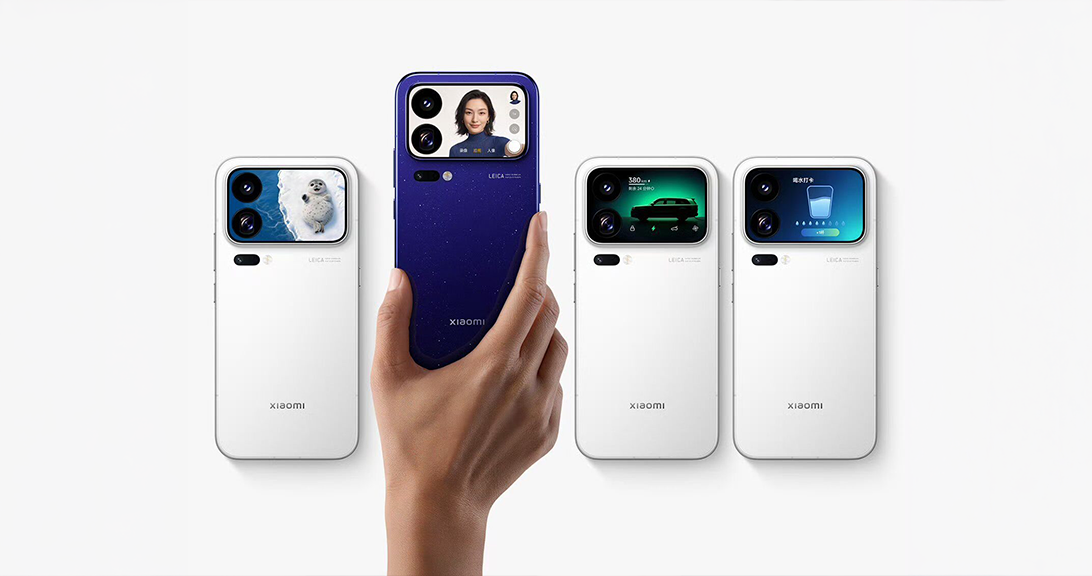
- Selfies and vlogs with 200-megapixel cameras: This is undoubtedly the biggest advantage. The rear display becomes a real-time viewfinder for the main and telephoto Leica camera. You no longer need to compromise with the front camera – you can shoot yourself in 4K or 8K, use an open palm gesture for a 3-second timer, and let the camera automatically switch to an ultra-wide lens during group shots.
- Quick glance without flipping the phone: If you have a habit of leaving your smartphone screen down on the desk, the rear display shows notifications, incoming calls, calendar, timers, music controls, and even navigation directions.
- Practical tools and dual-screen translator: The Pin to Back feature allows you to „pin“ important information or an image to the back (for example, a QR code or boarding pass). Combined with real-time dual-screen translation and integration with Gemini Live, the second display facilitates conversations with people in foreign languages.
The arguments „AGAINST“: Why do many still consider it a gimmick?
Despite the positive reviews, the second screen also has its obvious limitations, which question whether everyone really needs it:
- Limited functionality: Unlike the outer screens of foldable „flip“ phones, here you cannot freely launch every application and reply to long messages. The screen is more like a smartwatch interface or a smart hub.
- Overlap with smartwatches: If you already wear a smartwatch on your wrist, the advantage of seeing the time, notifications, and music control on the back of the phone largely loses its point.
- Habits and ergonomics: Most users are used to placing the phone with the main screen facing up. Changing this habit takes time, and having a second screen on the back inevitably raises questions when choosing cases.
The Verdict: Innovation or Gimmick?
The answer depends entirely on how you use your smartphone.
If you are a vlogger, photographer, or someone who frequently shoots selfies and friends, the rear display on the Xiaomi 18 Pro and 18 Pro Max is a truly useful innovation. The ability to use the 200-megapixel Leica sensors for selfies and video with precise framing changes the way mobile content is created.
For the average user, who rarely shoots vlogs and already owns a smartwatch, the second screen will likely remain a nice, but optional extra. Still, Xiaomi deserves praise: in a year when smartphones rarely surprise, the Xiaomi 18 Pro series proves that there is still room for bold ideas that not only look futuristic, but also get the job done.